

Akmal’s Resignation: Spotlight on DAP, Blind to Bigger Challenges
- kirthana63
- Jan 17
- 2 min read
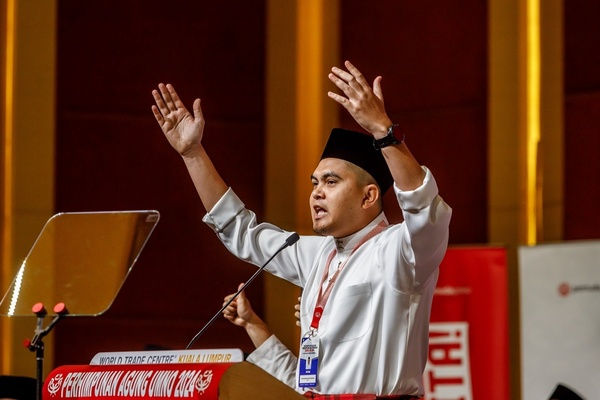
KUALA LUMPUR: The recent resignation of Umno Youth chief Dr. Muhamad Akmal Saleh has sparked a mix of political commentary and public debate. While much of the attention has focused on his criticism of the opposition Democratic Action Party (DAP), some analysts argue that the resignation and the surrounding “drama” highlight a larger problem: Umno’s tendency to focus on short-term political targets while overlooking deeper, structural issues.
Akmal’s tenure as Youth chief was marked by a series of fiery statements aimed at DAP, often portraying the party as the primary threat to Malay interests and Umno’s political standing.
However, observers note that Perikatan Nasional (PN) and internal party challenges also pose serious risks, yet receive far less attention. Critics say this narrow focus allows other pressing matters, such as party unity, youth engagement, and broader governance concerns, to be sidelined.
Political commentator Dr. Suresh Menon said, “Chasing DAP may create headlines, but it doesn’t necessarily strengthen the party in the long run. Issues like voter confidence, policy coherence, and leadership stability are far more consequential.” Analysts add that public dramatics, including Akmal’s high-profile resignation, can distract from sustained, long-term strategies needed to maintain Umno’s relevance and credibility.
Within the party, some delegates reportedly welcomed Akmal’s bold approach, praising his willingness to confront opposition figures directly. Others, however, expressed concern that overemphasizing one target could leave the party exposed to challenges from other political forces, including PN, and risk alienating voters who expect a more holistic approach.
The resignation also reignites debates about political strategy versus political theatrics. While headlines focus on dramatic statements and resignations, the underlying question remains: is the party addressing the real issues that affect governance, electoral success, and public trust? Observers argue that strategic planning, careful messaging, and attention to long-term goals are far more important than public displays of confrontation.
Ultimately, Akmal’s exit serves as a reminder that political theatre can generate attention, but without addressing deeper issues, parties risk being reactive rather than proactive. For Umno, the challenge will be balancing visible opposition attacks with serious internal reform, youth engagement, and strategies that strengthen the party beyond the next election cycle.


Comments